
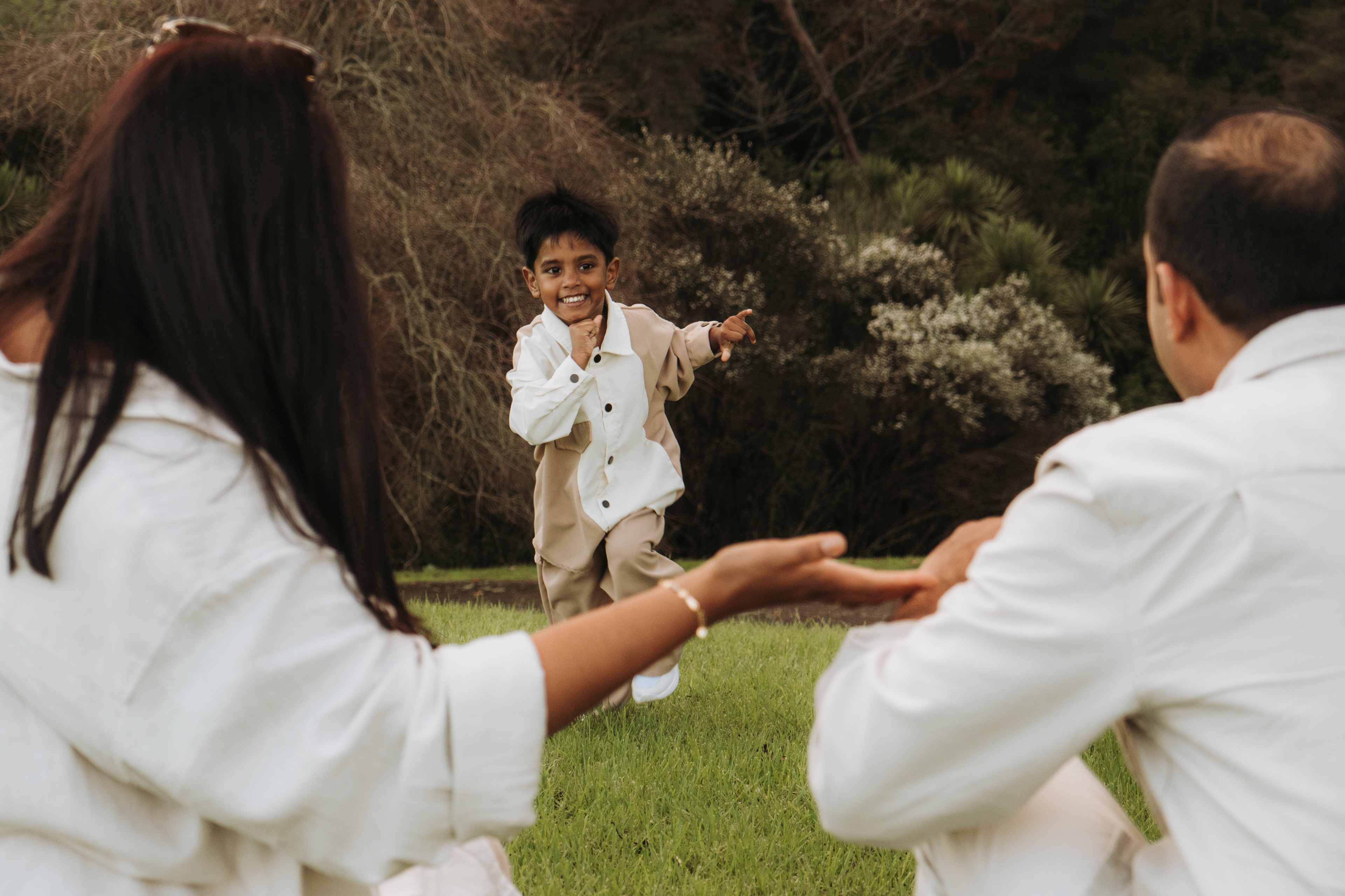
If you had told me five years ago that I’d spend my weekends running around with a camera, trying to catch fleeting smiles and bursts of laughter, I wouldn’t have believed you. Back then my life was all about project schedules, site inspections, and technical drawings. Photography was something I admired from a distance but didn’t think I’d ever do seriously.
Somewhere along the way, that changed. These days I find myself switching between two very different hats: engineer during the week, photographer whenever I can carve out the time. And while they look like opposite worlds, I’ve realised they actually talk to each other in ways I never expected.
Engineering is built on planning.
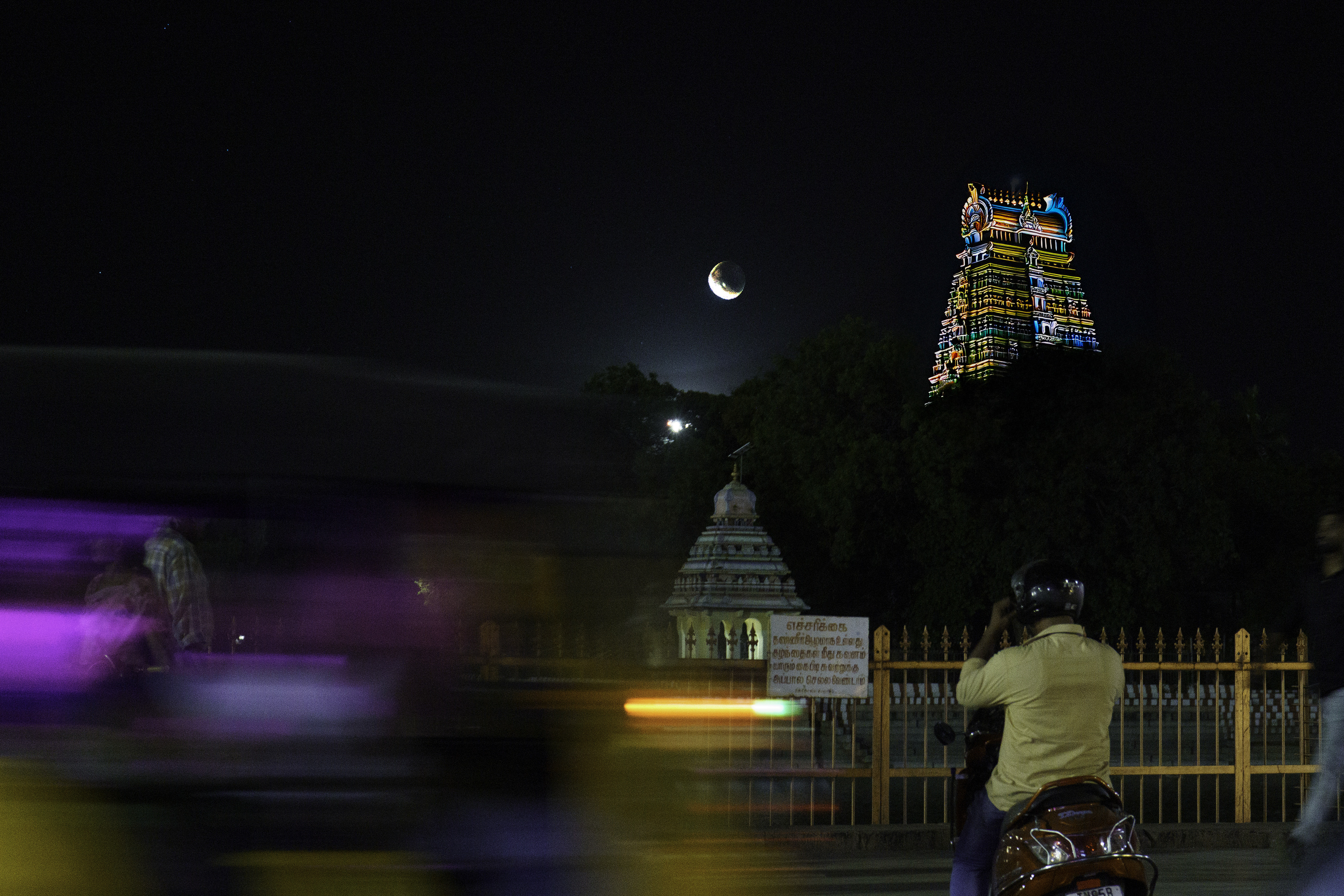
If you don’t measure, forecast, and prepare, things fall apart pretty quickly. That mindset spills into photography whether I like it or not. Before a shoot I’ll check the weather, look at how the light falls in a space, and think about the rough flow of the session. It’s not rigid, but it helps me feel ready.
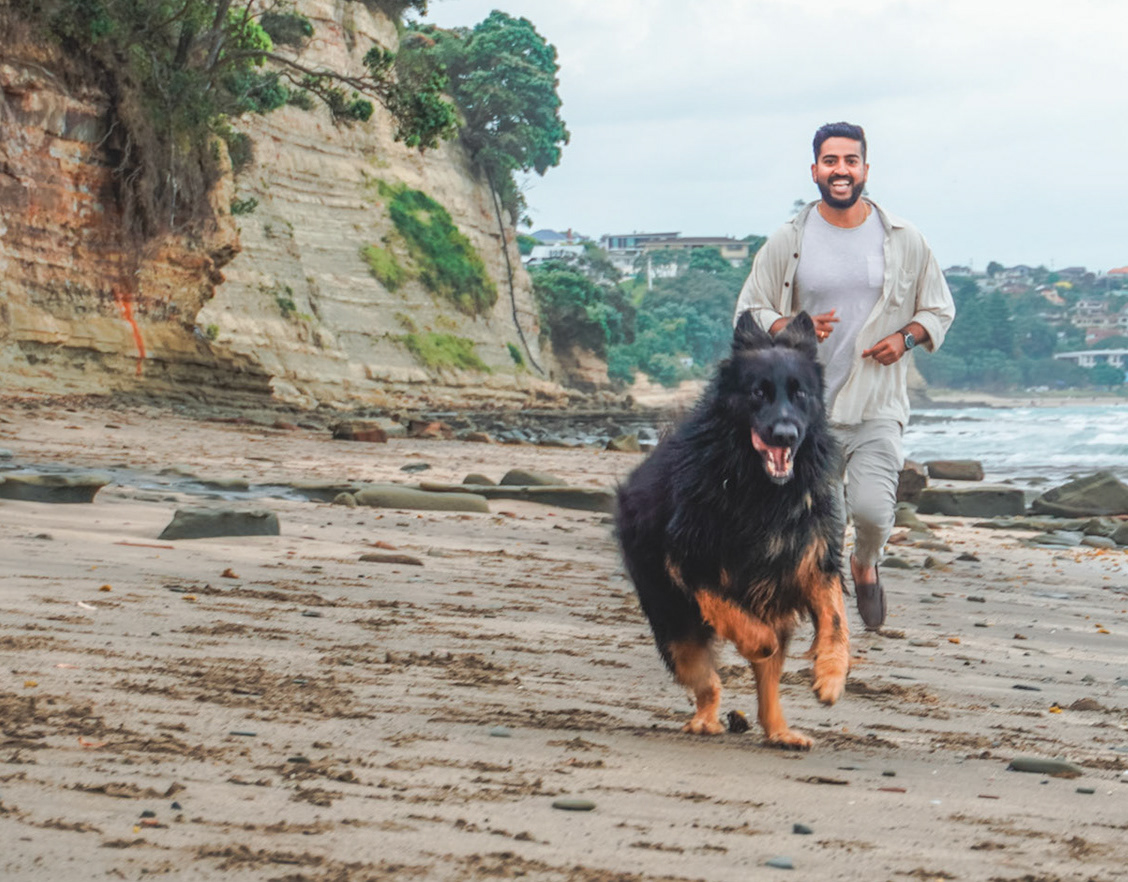
But then reality arrives. People don’t behave like project schedules. Kids don’t wait for the perfect frame. Couples don’t always know what to do with their hands. And that’s where I’ve had to learn something engineering never taught me—letting go. The photos I love most are never the ones I tried to control. They’re the ones that just happened. A child darting out of frame, someone laughing mid-sentence, a look exchanged when no one’s paying attention. That’s where the life is.
Details, Just the Different Kind
My day job hardwired me to notice details. A missed measurement, a hairline crack, a wrong material spec—it can snowball into something big. That kind of focus doesn’t just disappear when I pick up the camera.
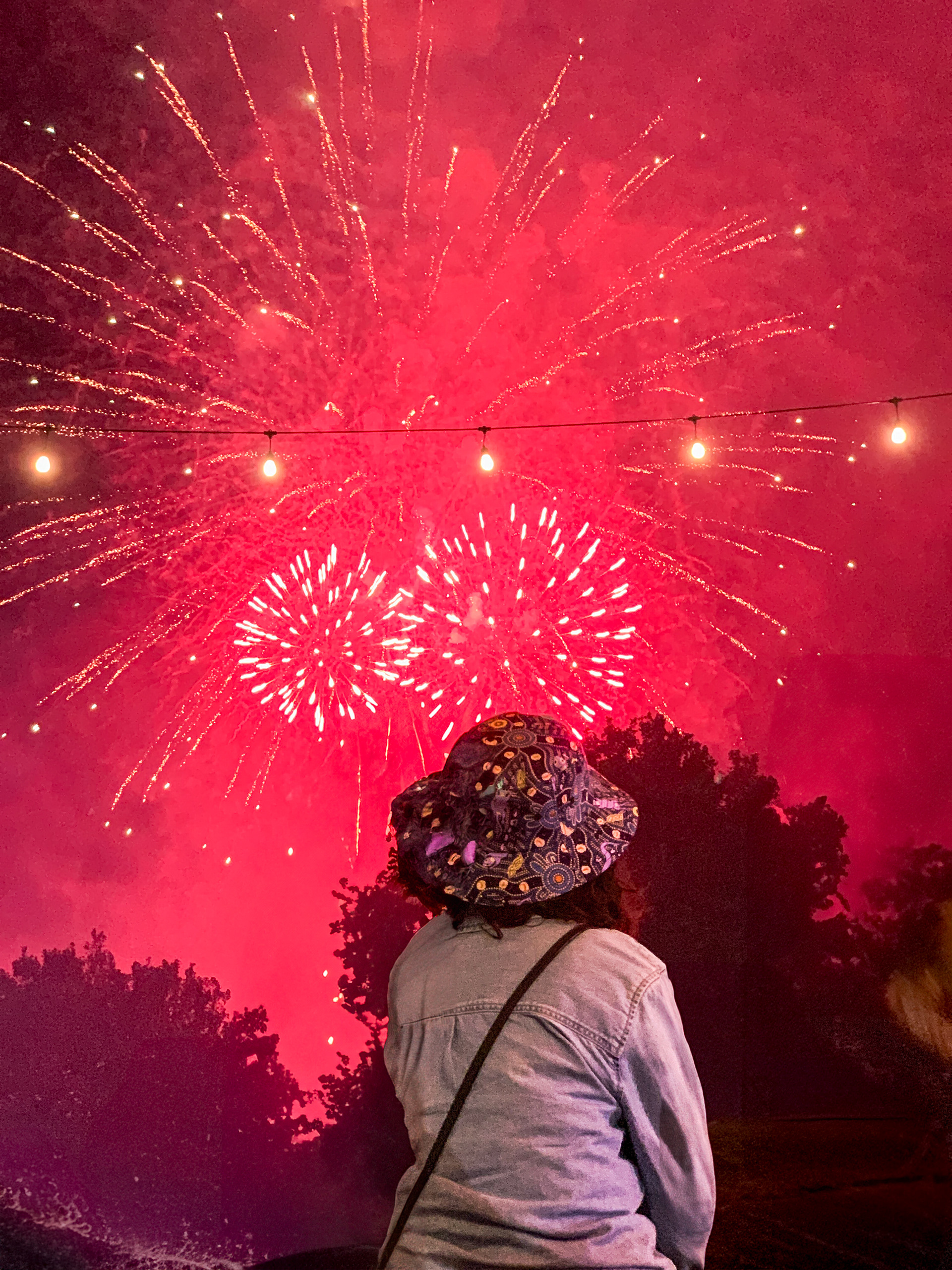
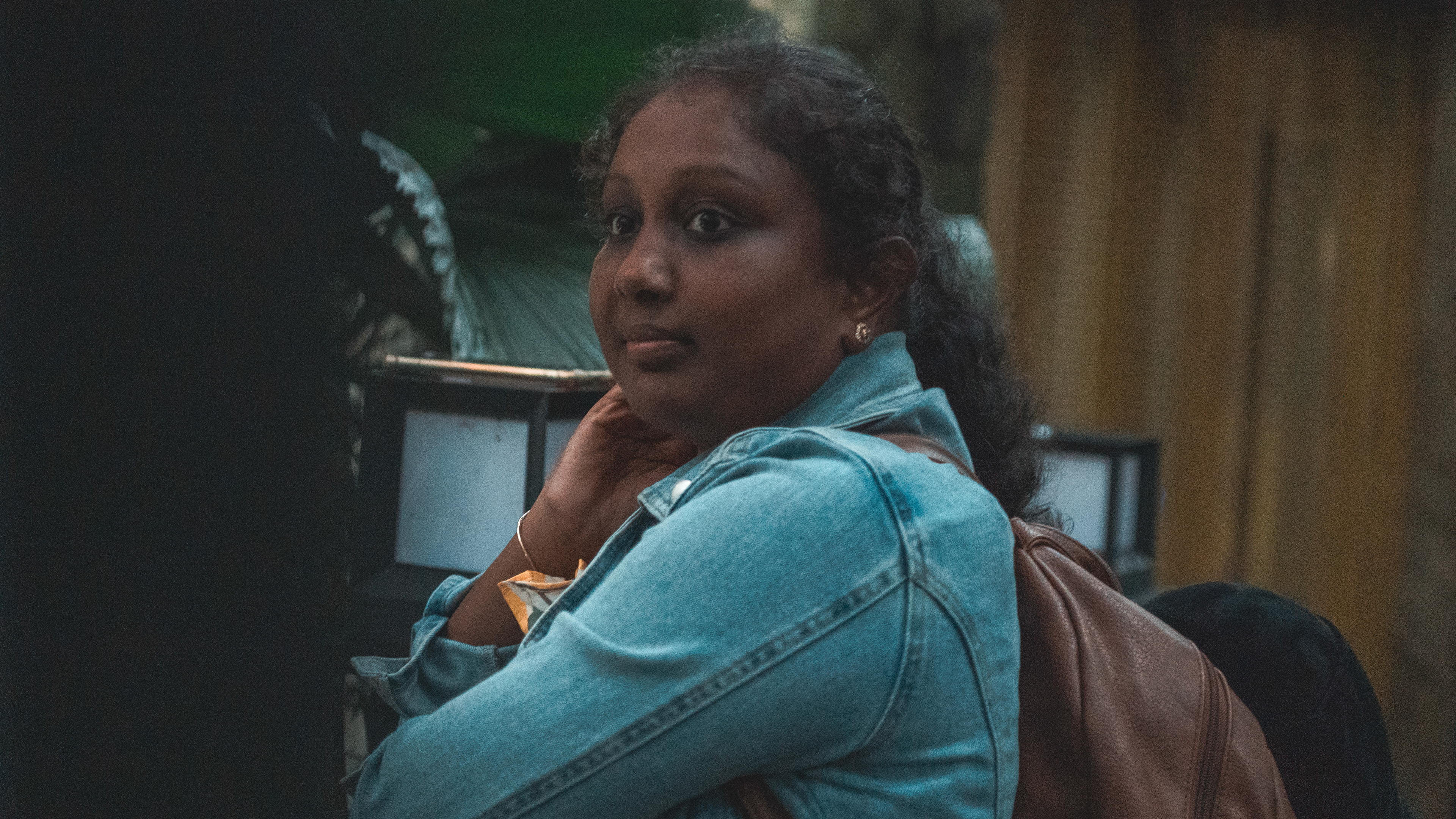
In photography, though, the details aren’t technical, they’re human. The quick smirk someone tries to hide. The way a hand brushes across another’s. The nervous glance before it turns into laughter. These aren’t things you can plan for, but you can notice them if you’re paying attention. And once you start noticing, you can’t stop.
The Common Thread
If engineering is mostly about structure, project management is mostly about people. Contractors, designers, stakeholders—everyone has their own agenda, their own pace. You learn quickly that pushing harder doesn’t always work. Sometimes you step back, listen, and let things run their course.
Photography isn’t much different. I’ve met plenty of families who show up saying they’re awkward in front of the camera. Couples who stiffen up as soon as the lens points their way. Kids who simply refuse to sit still. You can’t force these situations into shape. You wait, you adapt, you give space. And eventually, the right moment arrives.
The Balance
If engineering taught me discipline, photography taught me freedom. One keeps me organised; the other keeps me open to chaos. I don’t think either side would work for me on its own. Too much structure and I’d suffocate. Too much freedom and I’d lose my footing. But together, they balance each other out.
There’s something grounding about knowing I can spend a morning on site solving technical problems and an evening shooting a family running through a park. Both feel demanding in their own ways, but both give back something important.
I don’t look at photography as an escape from engineering. And I don’t see engineering as the thing that holds me back from photography. They’re simply two ways I experience the world.
I don’t know if I’ll ever fully separate the two. Maybe I don’t need to. Engineering gave me the habit of planning and noticing structure; photography gave me the habit of slowing down and noticing people.
Together, they remind me why I love candid photography in the first place—because the best parts of life are rarely staged, but always worth paying attention to.